Shokunin Austin: The Insider's Playbook to East 6th’s New Walk-In-Only Sushi Bar
Essential Information
- What it is: Shokunin — a 20-seat, walk-in-only sushi bar by Chef Phillip Frankland Lee and Executive Pastry Chef Margarita Kallas-Lee (sister to the Michelin-starred Sushi by Scratch Restaurants) and already drawing strong early reviews from places like The Infatuation. For broader sushi context, The Infatuation’s sushi dining guides can help you benchmark styles and expectations.
- Where: 1009 E. 6th Street, Austin (next door to NADC Burger and Pasta|Bar). For maps, directions, and quick logistics, you can also check Shokunin’s listing on MapQuest. If you’re planning a mini food crawl, this East Austin dining district overview is a helpful neighborhood primer.
- When: Open Thursday–Monday, 5 pm–9 pm. Closed Tuesday–Wednesday (Community Impact). Data-driven tools like OpenTable’s look at peak Austin dining times can also help you time your visit.
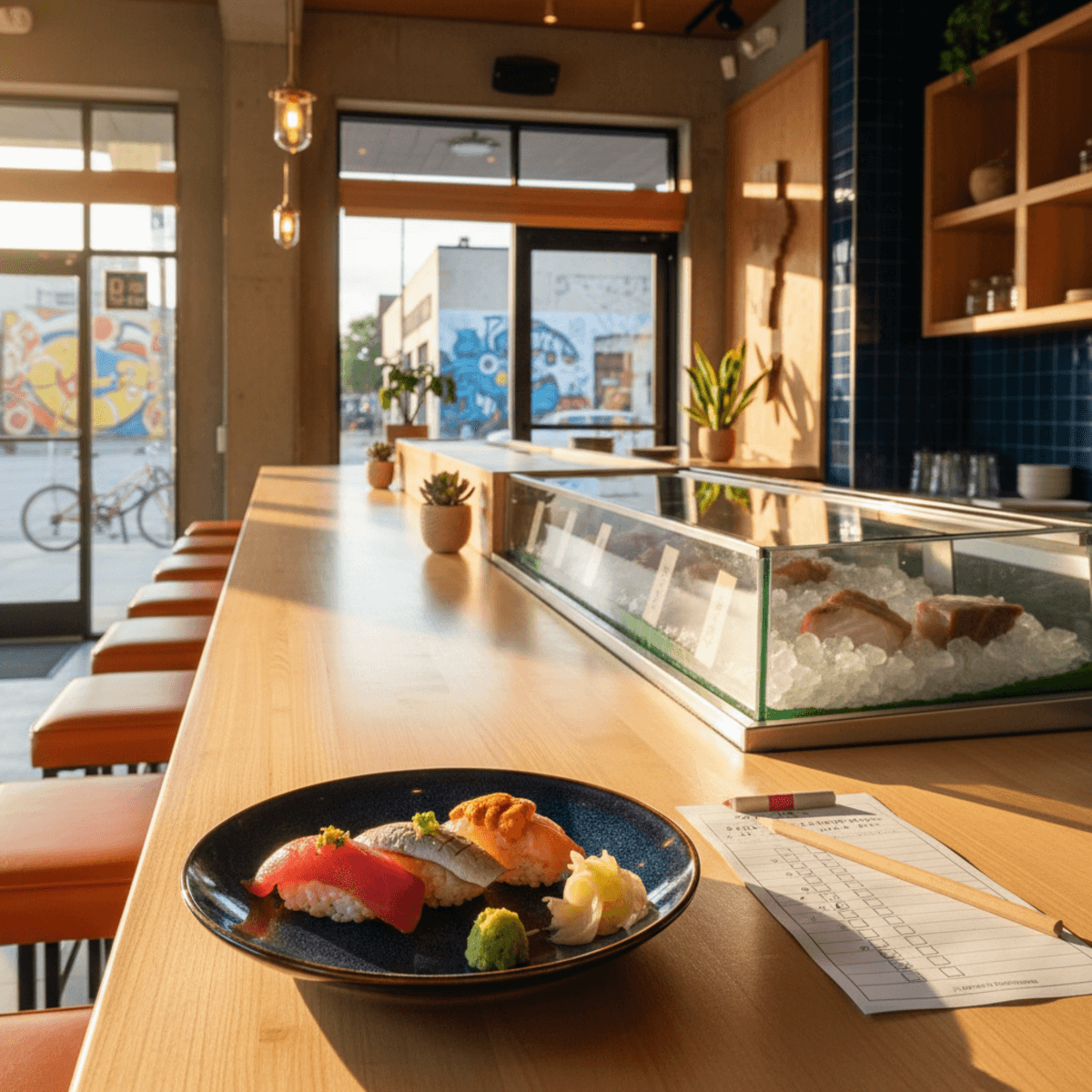
- How it works: Retro pencil-and-tick-box menus where you check fish and preparation, then reorder in rounds—no reservations, fully walk-in (CultureMap Austin). If you’re new to Austin’s no-reservation culture, this walk‑in etiquette explainer is useful background.
Build your night around the walk-in format: arrive early or at a turnover window, keep your group small, and have a nearby backup (like NADC Burger) while you wait.
- What they serve: Only cold dishes—nigiri, sashimi, and hand rolls. No tempura, teriyaki, noodles, or cooked items; if you’re new to these styles, this guide to sushi types is a helpful primer, and Japan Centre’s breakdown of nigiri vs. sashimi gets more granular.
- Sourcing: Fish arrives weekly from Tokyo’s Toyosu Fish Market via the same supplier as Sushi by Scratch, with rotating selections based on what’s best that week. For cultural context on Japan’s famous fish markets, this Atlas Obscura deep dive adds color.
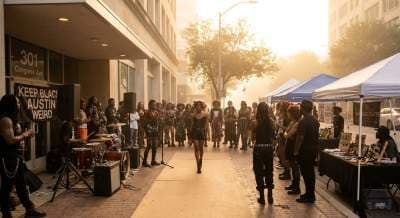
- Vibe: California-inspired, old-school San Fernando Valley sushi bar energy; casual, chef-guest interaction forward (as echoed in early coverage from Eater Austin). To see how it fits into the broader scene, browse Eater Austin’s main restaurant coverage.
- Drinks: Curated sake, beer, and select wines (no full cocktail program), which pairs well with the focused, cold-only menu. If you want to go deeper on sake categories, the Japan Sake and Shochu Makers Association is a solid reference.
Insider Intelligence
Walk-in calculus, not luck
With only 20 seats and a 5-night schedule, demand concentrates. Aim for one of three move-times: right at open, the first turnover, or the late window. For on-the-ground perspective, user impressions and wait-time anecdotes on MapQuest’s Shokunin page can add context, and pairing that with broader Austin peak dining-time data helps you strategize.
- First seating: Arrive 20-30 minutes before 5 pm for highest certainty, especially Thu–Sat and during festival weekends.
- Turnover window: Many first-seaters finish around 6:30-7:00 pm. If you can’t make opening, line up by ~6:15–6:30 pm to catch the churn.
- Late play: If you’re flexible, aim 8:00–8:15 pm; the list can move quickly in the last hour. Stay nearby to answer when your name is called.
If you’re quoted a long wait, get your name in, confirm how they’ll contact you, then stay within a 2–3 minute walk so you don’t lose your spot when they call.
Thursday is prime for freshness
After Tue–Wed closure, Thursday typically showcases the newest Toyosu arrivals. If you’re hunting rarer cuts, hit Thursday or early Friday to capitalize on that Toyosu Market pipeline.
Weekend scarcity is real
Limited premium cuts can sell out early on Fri–Sat. If something is a must-try, order it in your first round.
If there’s a specific premium cut you’re chasing, don’t “save it for later”—with only 20 seats and limited stock, it may be gone by your second or third round.
Master the tick-box
The sheet is engineered for progression. Start conservatively, then build.
- Round 1: Pick a baseline of lighter, leaner fish (e.g., white fish) to calibrate rice, seasoning, and chef’s touch. If you’re curious how nigiri is actually formed, this Serious Eats nigiri technique explainer gives a visual breakdown.
- Round 2: Move to medium-fatty fish and richer textures.
- Round 3: Close with fattier cuts or hand rolls, then repeat favorites.
- Preparation choice matters: Use the prep checkboxes to toggle between shoyu-brushed simplicity and more seasoned options; if you want to understand how different cuts show up, The Infatuation’s review of Shokunin gives concrete examples.
Expert Recommendations
Best days
- Thursday: Top for selection and freshness.
- Monday: Easiest to snag seats; selection still strong, though rarer cuts may be lighter by then (Community Impact notes this as a key benefit of the walk-in concept: summary here).
Best times
- Thu–Sat: 4:30–4:45 pm arrival or 6:15–6:30 pm for first turnover.
- Sun–Mon: 5:00–6:30 pm is forgiving; 8:00 pm last-call window works if you can be flexible.
Ideal first-round lineup
- One lean white fish to gauge seasoning.
- One medium-rich fish to set your baseline.
- One hand roll to test rice texture and nori snap.
Pairing progression
- Start: A chilled, clean junmai sake or a light lager with white fish. If you’re new to sake styles, this sake primer breaks down junmai, ginjo, and more and pairs well with the Japan Sake Association’s classification overview.
- Middle: Shift to ginjo/daiginjo sake or a dry Riesling-style white as you move to richer bites; for more pairing ideas, see Wine Folly’s sake and food pairing guide.
- Finish: Hand rolls with a final crisp pour; avoid heavy, oaky wines that can mute delicate flavors.
Hidden Details
- Cold-only focus raises the bar: Without cooked items, temperature control, rice quality, and micro-seasoning are the entire show, reinforcing the a la carte, sushi-only vision laid out in CultureMap’s opening coverage. If you want to compare to other top spots, browsing Austin’s Michelin-star and guide listings can help frame the broader high-end scene.
- Tick-box as conversation starter: The retro pencil sheet is designed to spark dialogue. Ask what’s just landed from Toyosu.
- Chef access, not ceremony: Unlike more formal omakase counters, Shokunin’s old-school LA vibe encourages casual back-and-forth that mirrors the team’s other projects like Pasta|Bar.
- Smart duplication: Order the same fish two ways across rounds to taste how prep shifts texture and sweetness.
Practical Insider Guide
Before you go
- Check the day: Thursday for peak freshness; Monday for lighter lines.
- Plan transport: rideshare in and out of East 6th, especially if you’ll be pairing sake throughout the night (sake basics here).
- Hydration check: it’s 91 °F and sunny—arrive comfortable if you’re lining up for opening; a quick peek at the Austin forecast can help you plan.
If you’re sensitive to heat, bring water and a hat or sun protection—most of the “strategy” arrivals (before 5 pm and at turnover) may involve standing outside for a bit.
On arrival
- For first seating, be there 20–30 minutes before 5 pm.
- If you miss opening, target the 6:30 pm turnover.
While you wait
- Post up next door at NADC Burger as a backup bite, but keep your phone handy.
- Use the time to plan your first tick-box round: one lean, one medium, one hand roll (and if you need a refresher on styles, skim this sushi types explainer).
Ordering flow at the bar
- Round 1 calibration: Choose lighter fish and “chef’s recommended” prep to learn the kitchen’s seasoning.
- Round 2 focus: Lock in favorites; add any premium cuts that could sell out.
- Round 3 finish: Hand rolls and repeat standouts; consider a contrasting prep on a fish you loved.
This premium guide is built to maximize your Shokunin experience — arrive with a plan, order in waves, and let the Toyosu–driven selection guide your night.
Related Austin Data
Shokunin Austin: The Insider's Playbook to East 6th's New Walk‑In-Only Sushi Bar
Choose how to share